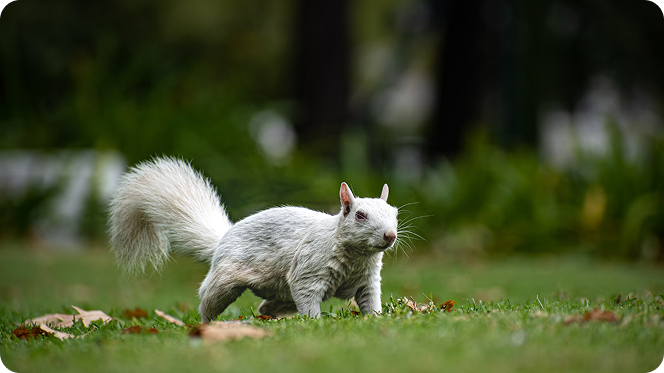
Understanding emotions is a critical step in a child’s development. Knowing how they feel and being able to express it builds emotional intelligence, self-awareness, and stronger relationships with others. However, emotions can often be overwhelming or confusing for children, making it challenging for them to recognize and name what they’re feeling. Here are some effective tips and tricks to help your child identify and manage their emotions, inspired by Skye Squirrel and his world of colorful tales—and tails!
Make Emotions Visual
For young children, visual cues can make abstract concepts like emotions more understandable. Try using color-coded systems, just like Skye Squirrel’s color-changing tail, where each color represents a specific emotion. For example:
- Blue for Sadness: This is Skye’s color when he’s feeling down or discouraged.
- Yellow for Happiness: A cheerful color that shows joy.
- Red for Anger: When Skye feels mad or frustrated.
- Gray for Fear: When things feel a little scary.
You can create your own emotion chart or use Skye Squirrel’s tails and stories as visual tools, helping kids learn to connect colors and facial expressions with their own emotions.
Name the Feeling with Empathy
Naming emotions is empowering. When your child is feeling big emotions, try to calmly name the feeling for them. Saying “It looks like you’re feeling angry” or “You seem a bit sad” helps them begin to match the label to their internal state. Over time, this practice gives children a vocabulary to express how they feel. Use a favorite character like Skye Squirrel to model these feelings to make it more relatable and less intimidating.
Encourage Emotion Check-Ins
Make emotion check-ins a part of daily routines. You might ask your child at bedtime “How did you feel today?” or during a car ride “What color is your tail today, like Skye’s?” It’s a fun way to get them thinking about their feelings and recognizing how their emotions can change throughout the day.
Create a Safe Space for All Emotions
Sometimes children hold back emotions because they think they’re “bad” or worry that they’ll be judged. Let them know that it’s okay to feel all emotions—whether it’s happiness, sadness, anger, or fear. Share examples from Skye Squirrel’s adventures, such as how he learned it’s natural to feel sad in Sad Skye and that talking about these feelings can make them more manageable.
Use Books and Stories as Tools for Understanding
Books are an excellent resource to help children relate to and identify emotions. Reading about Skye Squirrel’s adventures and how he deals with different emotions allows kids to see their own feelings in a familiar character. After each story, you can discuss:
- “When have you felt like Skye?”
- “What did you do to feel better?”
- “What color tail would you have had in that situation?”
These discussions reinforce emotional vocabulary and help children feel understood and supported.
Introduce Simple Breathing Exercises
Teaching children simple ways to calm down, such as taking deep breaths, can help them regulate strong emotions. Explain that Skye Squirrel sometimes takes a moment to breathe when he feels overwhelmed, like he did in Angry Skye, and it helps him get back to feeling like himself. Try a fun breathing exercise together, like “smell the flowers, blow out the candle,” where your child takes a deep breath in as if smelling flowers and then exhales as if blowing out a candle.
Practice Recognizing Emotions in Others
Children learn a lot by observing others. Play games that involve recognizing emotions on others’ faces—whether it’s family members, friends, or characters on TV. You can ask questions like “What do you think that person is feeling?” or “If Skye’s tail was that color, what would he be feeling?” This not only helps children identify emotions in themselves but also builds empathy.
Celebrate Emotional Growth
Recognizing emotions takes practice, and every small step is a victory. Celebrate when your child correctly names their emotion or finds a healthy way to express it. Positive reinforcement, such as “I love how you told me you were feeling sad,” makes them feel proud and encourages them to keep practicing emotional awareness.
Helping children recognize and manage their emotions is a journey that takes patience, understanding, and a little creativity. Using Skye Squirrel’s colorful adventures can make this journey not only easier but also more fun and engaging for both you and your child. By giving children the tools to identify and express their feelings, you’re laying the foundation for a lifetime of emotional health and resilience.
Discover more with Skye Squirrel
Explore Skye Squirrel’s books and the My Emotion Squirrel plush toy, each tailored to help children connect with their emotions in a playful, meaningful way. Let Skye Squirrel help your little one understand that emotions are normal and learning to manage them can be an exciting adventure!