Imagine trying to describe how you feel without knowing the right words. It would be confusing and frustrating. That’s exactly how young children feel when they experience emotions that they don’t yet understand. By helping children name their emotions, we empower them to communicate, manage their feelings, and build a lifelong skill for emotional health.
Why is Naming Emotions Important?
Naming emotions gives children a “toolbox” of words to express what’s happening inside. It’s much easier to say “I’m feeling angry” than to express anger through actions like hitting, yelling, or crying. Here’s why it matters:
- Promotes Self-Awareness: Recognizing and labeling emotions teaches children to understand themselves better. They learn to check in with how they’re feeling, which is the first step in managing emotions.
- Encourages Empathy: When kids can name their own emotions, they’re also more likely to recognize similar feelings in others, fostering empathy.
- Supports Emotional Control: By identifying their emotions, children feel more in control, knowing that feelings aren’t “bad” but just signals that can help them understand their needs.
Tips for Building an Emotional Vocabulary
Building an emotional vocabulary is one of the most valuable gifts we can give our children. When kids have the words to describe how they feel, they can better understand their emotions and communicate their needs. Just as learning language takes practice, developing a vocabulary for emotions grows over time with gentle guidance.
Here are some simple, effective tips to help your child start naming and understanding their feelings, setting them on a path to emotional awareness and resilience.
Start with Simple Feelings
Begin by teaching basic emotions like happy, sad, angry, and scared. Once they’re comfortable with these, you can add more specific feelings like frustration, excitement, or loneliness.
Use Everyday Moments
If your child seems upset or delighted, name the emotion for them. For example, “It looks like you’re feeling sad because your friend left.” Over time, they’ll start to use these words on their own.
Play ‘Name That Feeling’ Games
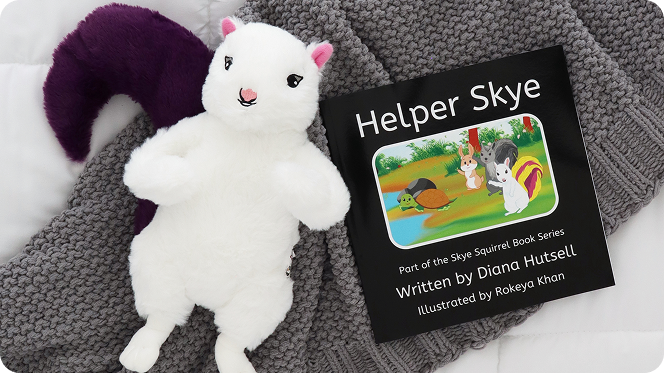
Show pictures of different facial expressions or use Skye Squirrel’s books. Ask “How do you think Skye feels in this picture?” It’s a fun way to practice identifying emotions without pressure.
Model Your Own Emotions
Sharing your own feelings helps normalize emotional expression. You might say “I’m feeling proud of you for sharing” or “I felt frustrated when I lost my keys.” Modeling this builds trust and understanding.
By helping your child put words to feelings, you’re providing a powerful gift—the ability to express and process emotions. It’s a simple yet profound way to support their emotional growth and confidence.